

Financial centres are often described through buildings, tax regimes and international rankings. Their real test is simpler: do they make it easier for people to save and invest, for businesses to raise capital and manage risk, and for the country to connect to wider financial markets?
Uzbekistan is now putting the institutions of a modern financial centre in place. The next task is to turn ambition into everyday value. That means building regulatory credibility, talent, trusted infrastructure and market depth in the right order - while ensuring that international capital and financial services are connected to the needs of local businesses and households, rather than operating as a separate enclave.
This leadership conversation examines how financial centres evolve in practice. What has to be built first? Which financial needs should a new centre solve before it seeks global scale? How can public policy, central-bank oversight and private-sector participation reinforce one another? And what lessons can Uzbekistan draw from centres that have succeeded by evolving with the needs of their people, enterprises and investors?
Audience will leave with:
- A practical definition of what a financial centre should deliver beyond buildings, branding and regulatory incentives.
- A clearer view of the sequencing required: trust, regulation, talent, infrastructure, liquidity and real customer demand.
- A framework for ensuring that the Tashkent International Financial Centre supports the domestic economy while connecting Uzbekistan to international capital and services.
How Does Uzbekistan Build a Financial Centre that Serves People, Businesses and Capital?
Brought to you by
Speakers
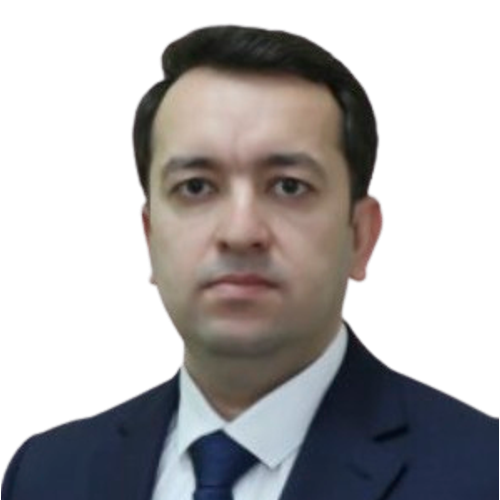
Deputy Chairman & Member of the Board, Central Bank of the Republic of Uzbekistan
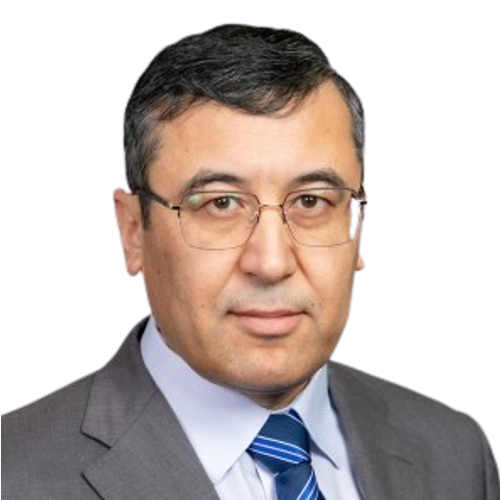
Moderator
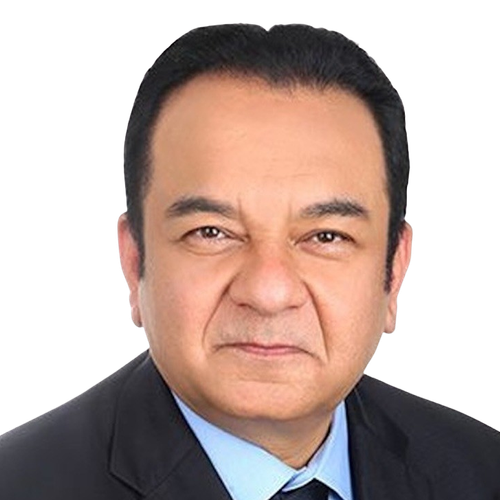
Group Deputy Chairman, Global Finance & Technology Network (GFTN); Vice Chairman, Asia Pacific, SMBC & Former Nominated Member of Parliament, Singapore, Global Finance & Technology Network