
Mon 24 Aug10:25–10:40amForum Stage
State of Financial Sector Innovation
Add to calendar
About This Session
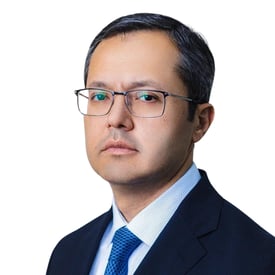
Uzbekistan's national narrative in the Governor's own voice - one year of progress & the road ahead.
- When
- Monday 24 August10:25–10:40am, Tashkent time
- Where
- Forum StageCentral Asian Expocenter (CAEx)
- Access
- Open
More Securing the Future Sessions
-
10:40–11:15amMon 24 AugForum StageCentral Asian Expocenter (CAEx)Open
Securing the Future
How Does Uzbekistan Build a Financial Centre that Serves People, Businesses and Capital?
-
 Abror Mirzo OlimovDeputy Chairman & Member of the BoardCentral Bank of the Republic of Uzbekistan
-
 Nodirjon JuraevProject CoordinatorOffice of the President of the Republic of Uzbekistan
-
 Neil ParekhGroup Deputy Chairman, Global Finance & Technology Network (GFTN); Vice Chairman, Asia Pacific, SMBC & Former Nominated Member of Parliament, SingaporeGlobal Finance & Technology NetworkModerator
About this session
Financial centres are often described through buildings, tax regimes and international rankings. Their real test is simpler: do they make it easier for people to save and invest, for businesses to raise capital and manage risk, and for the country to connect to wider financial markets?
Uzbekistan is now putting the institutions of a modern financial centre in place. The next task is to turn ambition into everyday value. That means building regulatory credibility, talent, trusted infrastructure and market depth in the right order - while ensuring that international capital and financial services are connected to the needs of local businesses and households, rather than operating as a separate enclave.
This leadership conversation examines how financial centres evolve in practice. What has to be built first? Which financial needs should a new centre solve before it seeks global scale? How can public policy, central-bank oversight and private-sector participation reinforce one another? And what lessons can Uzbekistan draw from centres that have succeeded by evolving with the needs of their people, enterprises and investors?
Audience will leave with:
- A practical definition of what a financial centre should deliver beyond buildings, branding and regulatory incentives.
- A clearer view of the sequencing required: trust, regulation, talent, infrastructure, liquidity and real customer demand.
- A framework for ensuring that the Tashkent International Financial Centre supports the domestic economy while connecting Uzbekistan to international capital and services. -
-
3:15–3:55pmTue 25 AugForum StageCentral Asian Expocenter (CAEx)
Securing the Future
The School on the Silk Road: Demographic Dividend, or Demographic Debt?
-
 Dr. Abdel Aziz NossierExecutive DirectorEgyptian Banking Institute
-
 Gulnoza IsmailovaExecutive Director of the “El-Yurt Umidi” Foundation for the Training of Prospective PersonnelEl-Yurt Foundation
-
Leiming ChenSenior Vice President & Chief Sustainability OfficerAnt International
-
 Dr. Patrick NjorogeFormer GovernorCentral Bank of Kenya
-
 Pieter FrankenGroup Chief Technology OfficerGlobal Finance & Technology Network (GFTN)Moderator
About this session
Every great city on this road was also a school. Uzbekistan's median age is 27, and a Presidential Decree calls for 5,000 trained fintech professionals by 2030 — but a young population is only an advantage if it's activated. Talent is the input every other pillar depends on: no engineers, no ecosystem; no skilled supervisors, no safe infrastructure. This panel is about building that human capital deliberately — aligning universities, industry-led training and public programmes with what the market actually needs, financing it at scale, and, crucially, keeping the talent in the region once it's trained. The harder questions sit underneath the target: whether a degree still signals fintech-readiness or whether skills-first credentials do, who pays for training at national scale, and how a country turns a demographic bulge into an exportable strength rather than a wave of emigration.
-