The Forum in Review
Three Days in Tashkent
FAQ
The by-invitation Insights Forum convenes regulators, policymakers, industry leaders, and investors for outcome-focused leadership dialogues and exclusive networking. Insights brings together programmes such as The Capital Meets Policy Dialogue, alongside Elevandi's signature Public-Private Roundtables, as well as working sessions to further meaningful collaboration, drive tangible outcomes, and offer deeper insights.
The by-invitation Insights Forum convenes regulators, policymakers, industry leaders, and investors for outcome-focused leadership dialogues and exclusive networking. Insights brings together programmes such as The Capital Meets Policy Dialogue, alongside Elevandi's signature Public-Private Roundtables, as well as working sessions to further meaningful collaboration, drive tangible outcomes, and offer deeper insights.
The by-invitation Insights Forum convenes regulators, policymakers, industry leaders, and investors for outcome-focused leadership dialogues and exclusive networking. Insights brings together programmes such as The Capital Meets Policy Dialogue, alongside Elevandi's signature Public-Private Roundtables, as well as working sessions to further meaningful collaboration, drive tangible outcomes, and offer deeper insights.
The by-invitation Insights Forum convenes regulators, policymakers, industry leaders, and investors for outcome-focused leadership dialogues and exclusive networking. Insights brings together programmes such as The Capital Meets Policy Dialogue, alongside Elevandi's signature Public-Private Roundtables, as well as working sessions to further meaningful collaboration, drive tangible outcomes, and offer deeper insights.
The by-invitation Insights Forum convenes regulators, policymakers, industry leaders, and investors for outcome-focused leadership dialogues and exclusive networking. Insights brings together programmes such as The Capital Meets Policy Dialogue, alongside Elevandi's signature Public-Private Roundtables, as well as working sessions to further meaningful collaboration, drive tangible outcomes, and offer deeper insights.
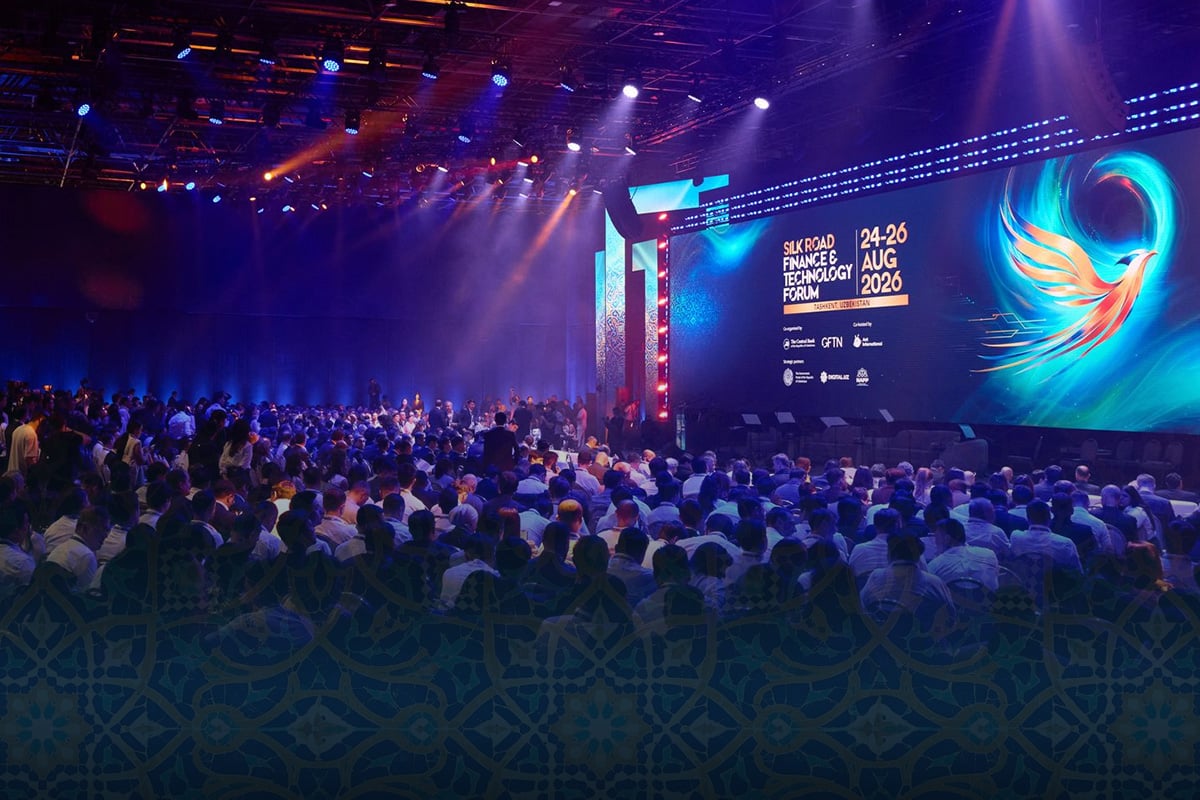
Co-organised by the Central Bank of the Republic of Uzbekistan and GFTN, the Silk Road Finance & Technology Forum brought together regulators, central bank governors, investors and fintech leaders in Tashkent from 24 to 26 August 2026. Each day's key takeaways are set out below, followed by a full summary of the Forum.
END-OF-DAY-REPORT | MONDAY 24 AUGUST 2026
FROM REFORM TO RESULTS: UzBEKISTAN'S CASE FOR A FINTECH HUB
Day one of the Silk Road Finance and Technology Forum set out Uzbekistan's case for becoming Central Asia's financial gateway, backed by hard numbers, not aspiration alone. A decade of six to seven percent GDP growth has tripled the economy to about 180 billion dollars, while a new National FinTech Strategy targets one billion dollars in foreign investment and 5,000 trained specialists by 2030. Investors are responding, with the National Investment Fund's successful listing and the Tashkent International Financial Centre aiming for 25 billion dollars in investment.
Cross border friction remained the day's recurring theme. Domestic payments clear instantly and a second national card system targets regional links, yet cross-border transfers still lag despite about 50 billion dollars in remittances. With remittances reaching 15 to 46 percent of GDP regionally, the day's sessions on payments, CBDCs and digital asset regulation each returned to the same question: how to move money, and trust, as fast across borders as it already moves at home. Capital is moving; implementation will decide whether the ambition becomes a reality for a regional hub.
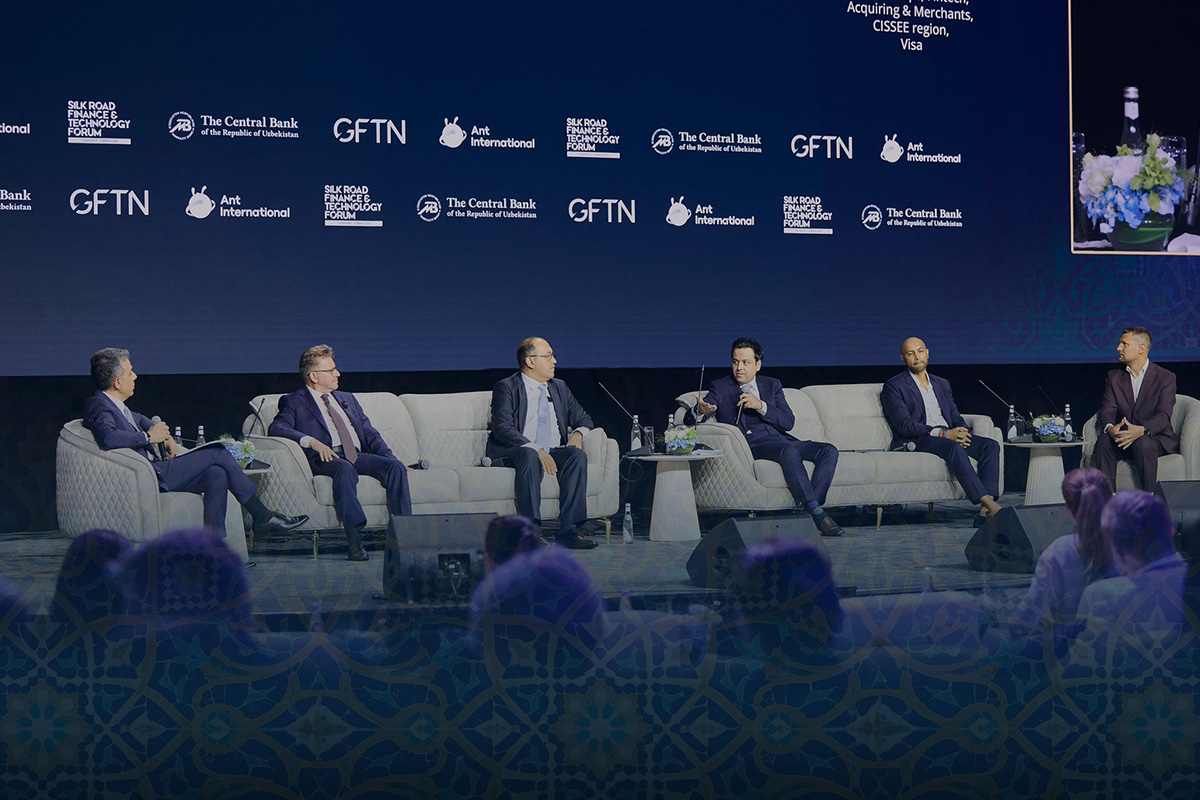
END-OF-DAY-REPORT | TUESDAY 25 AUGUST 2026
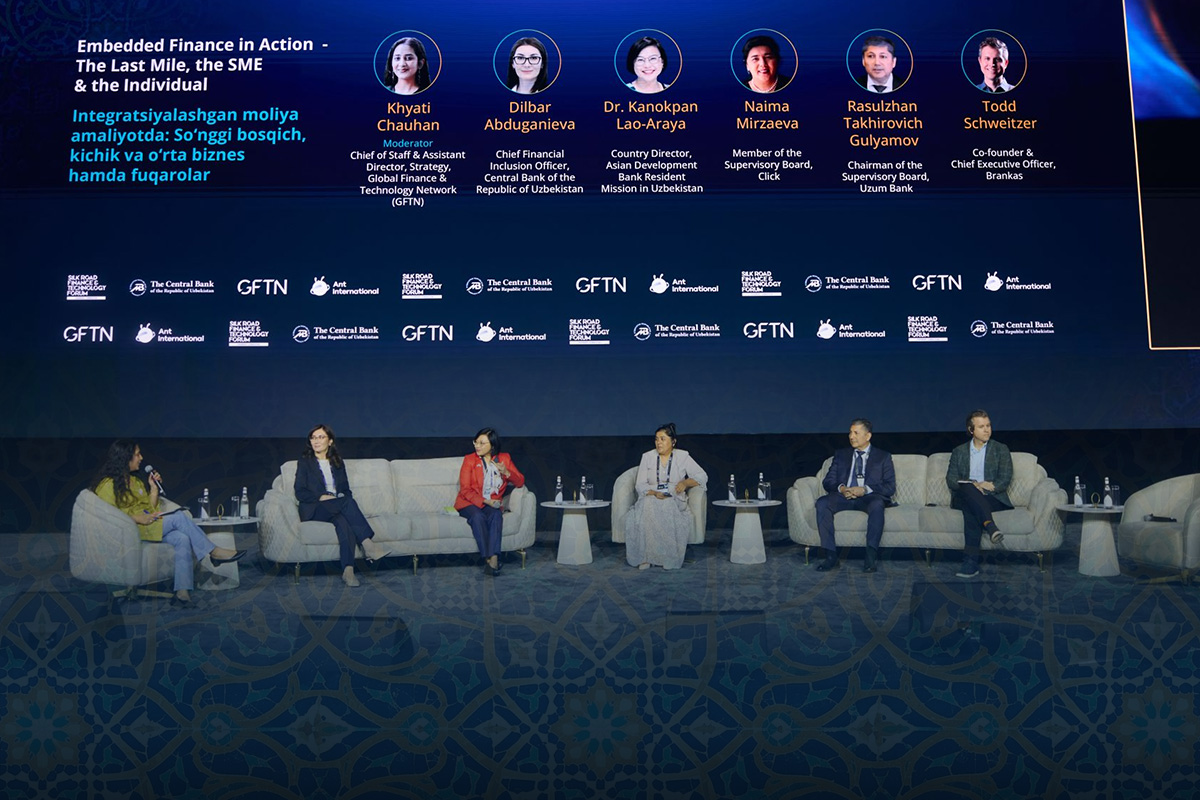
Technology is easy; trust, talent and rules decide leapfrogs
Digital financial transformation is an ecosystem project, not a technology one. Leapfrogging rests on digital public infrastructure, encompassing identity, real-time payments, consent and data exchange, while open finance works only when rails, capital and rules move together. Embedded rails have widened last-mile access, yet quality and transparency still lag. As payment adoption rose from 39% to 72% in Uzbekistan, cybercrime cases climbed past 62,000, making real-time collaboration the critical build needed in the next twelve-months. The 5,000 trained FinTech specialist goal by 2030 will be critical to Uzbekistan's ambitions, and hinges on training and retention converging on one path.
END-OF-DAY-REPORT | WEDNESDAY 26 AUGUST 2026
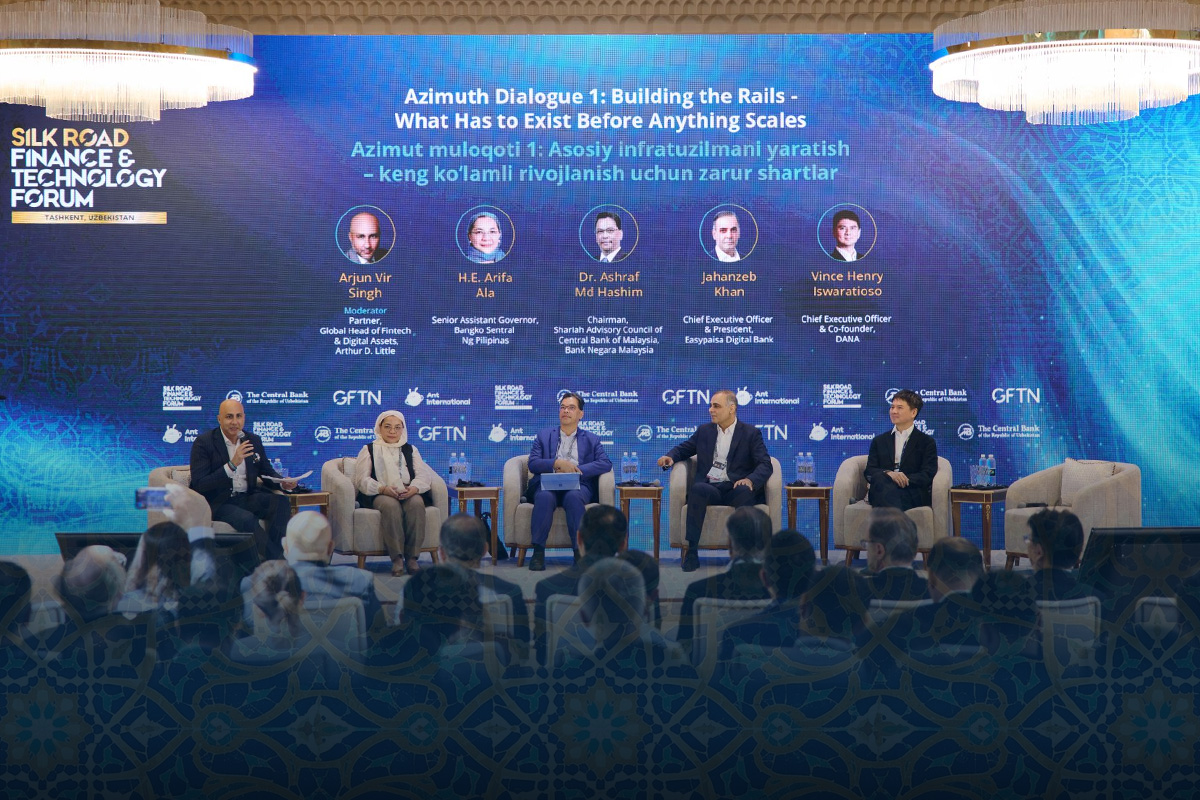
Rails, standards and capacity before Islamic finance scales
Islamic finance cannot scale on ambition alone. Payment rails, prudential standards and institutional capacity must come first - even as the industry still debates whether global assets stand at about $6 trillion or $3.9 trillion. Banking holds most of a market whose sukuk side stays thin; AI may assist compliance but cannot replace Shariah boards or issue fatwas. Uzbekistan’s central bank and GFTN set a shared course for an Islamic digital economy via open standards and a cross-border sandbox. Foundations before scale.
FULL REPORT SUMMARY | MONDAY 24 - WEDNESDAY 26 AUGUST 2026
Reform Built the Ambition; Rails, Trust and Standards Must Now Follow
Three days in Tashkent moved Uzbekistan's FinTech ambition from macro numbers to hard questions of execution: a decade of reform and a tripled economy opened the door, cross-border payment friction and a talent gap tested it, and a new Islamic finance law closed the forum with a reminder that rails, standards and human capacity must exist before anything scales.